“Up to 70% of neck and joint injuries come from pulling and bad gear. I recommend the BetterWalk harness because it protects dogs long-term.”
If your dog wears a collar, any harness, or is leashed, you need to read this immediately.
What I'm about to share will probably make you feel sick to your stomach.
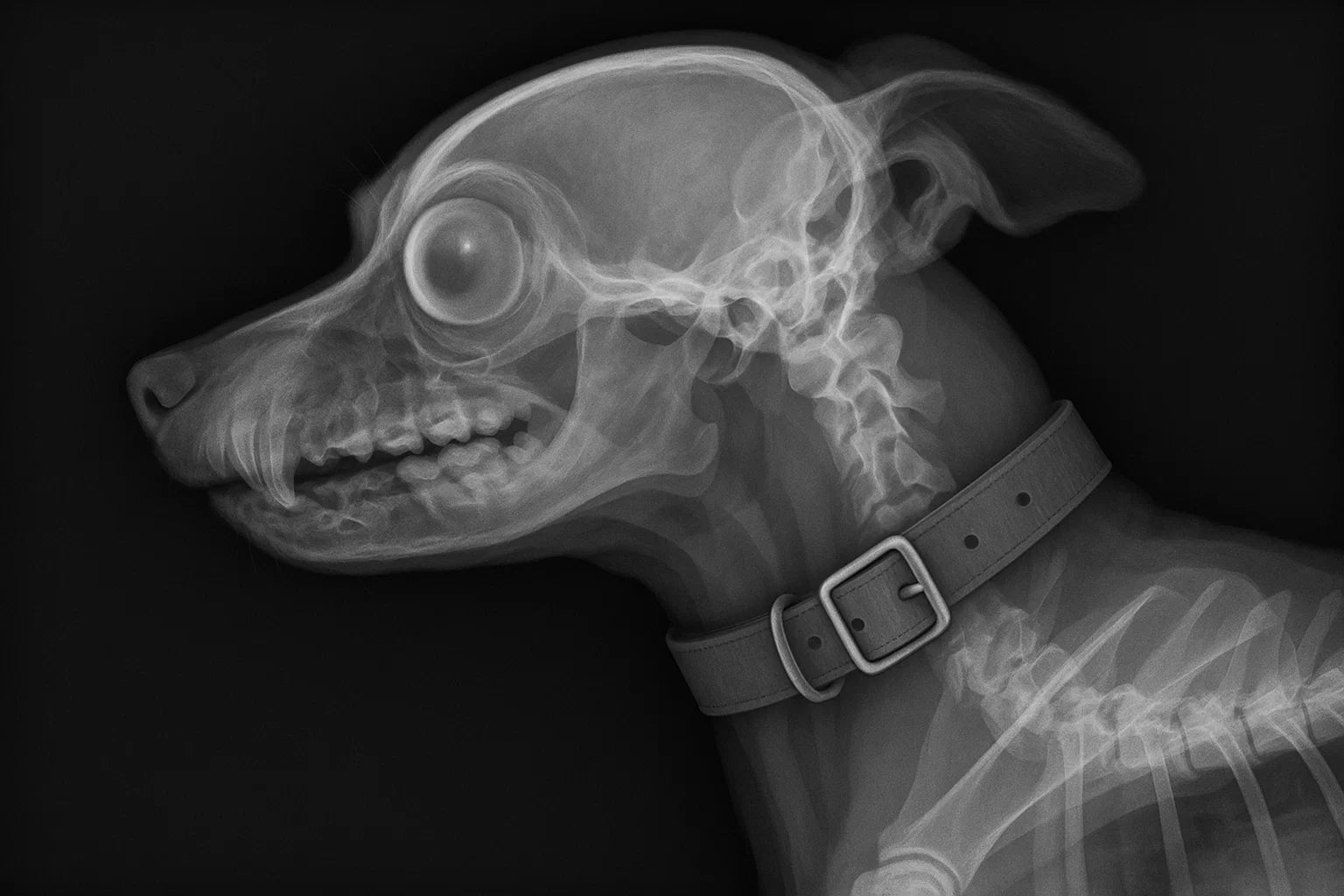
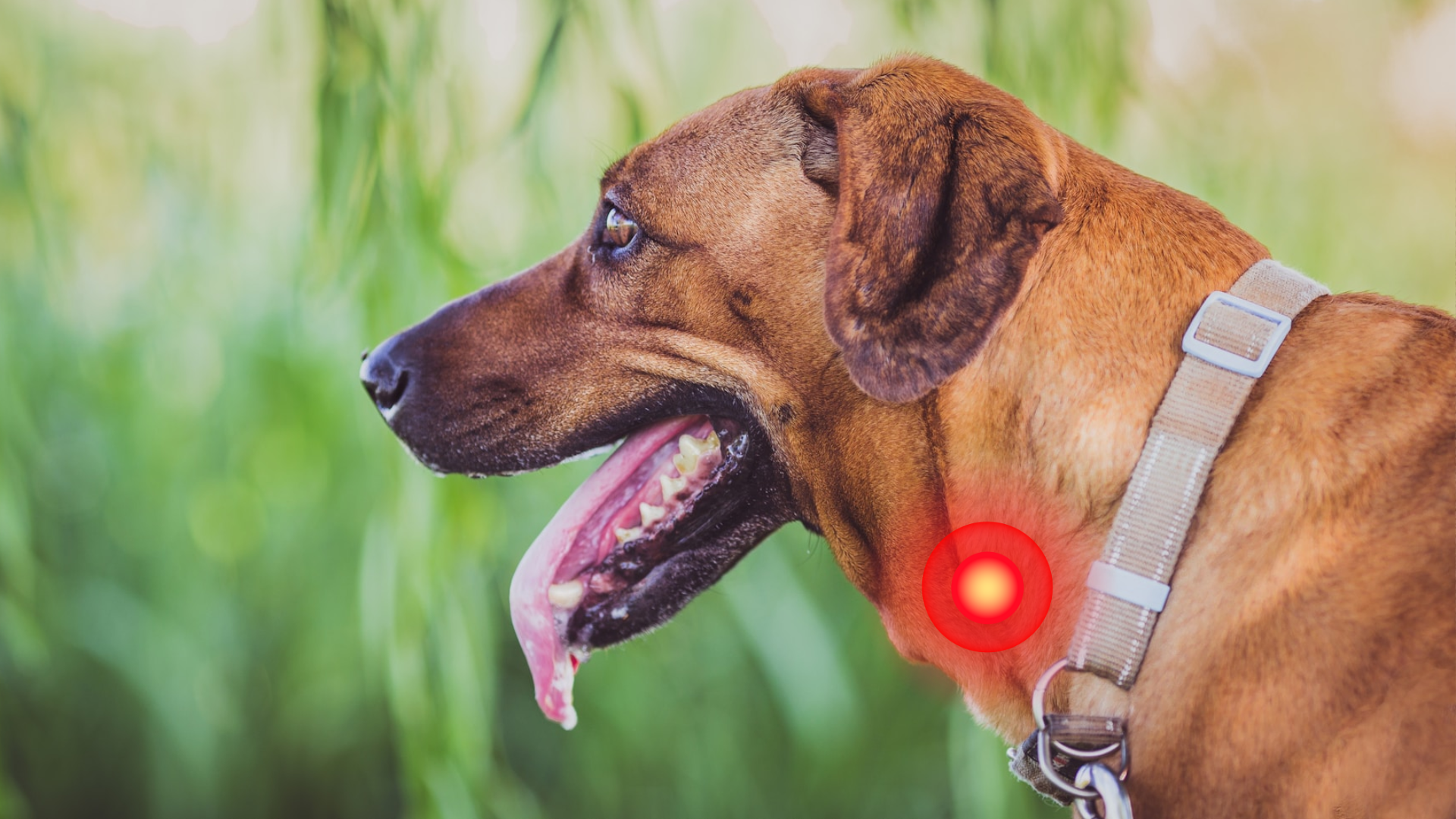
For years, I watched dogs come into my clinic with mysterious breathing problems, chronic coughing, and unexplained neck pain. Their owners were devastated, asking the same question: "What did I do wrong?"
The answer broke my heart every time:
Nothing. You didn't know.
But after reviewing over 15 peer-reviewed studies and testing equipment on 50+ strong-pulling dogs, my veterinary team and I discovered something that will change how you think about walking your dog forever.
Here’s the good news: You haven’t failed your dog. The real problem is using poorly designed gear every day, which silently causes long-term damage. The right design will protect their body and keep them safe and happy for years. By the end of this article, you’ll know exactly which one is best for your pup.
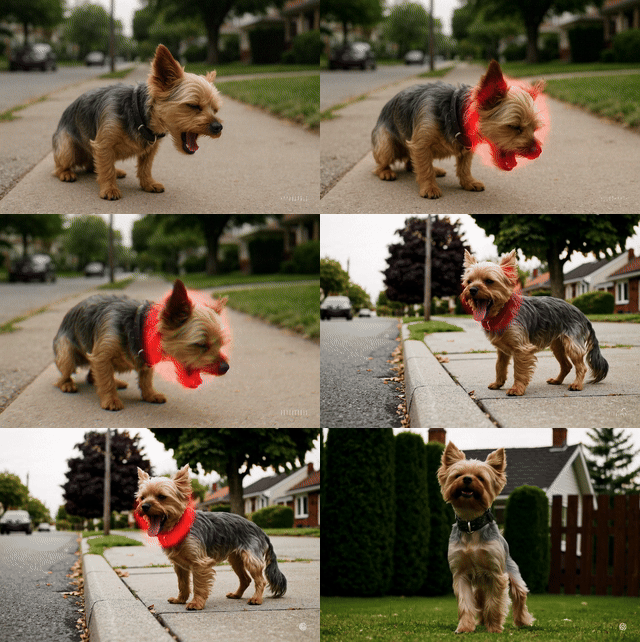
Your dog isn't being stubborn. They're not "dominance testing" you. They're following a biological imperative that's kept their species alive for thousands of years.
When dogs feel pressure or restraint, their opposition reflex kicks in—they instinctively push back. It's the same reflex that helps them break free from predators or navigate tight spaces. Fighting this instinct with more pressure and restraint only intensifies their need to pull.
Add in their natural drives—investigating scents that are 40 times more intense than what you smell, responding to movement that triggers prey instincts, expressing excitement about social interactions—and you have a recipe for constant conflict.
Standard equipment works against your dog's biology instead of with it. Every walk becomes a battle that nobody wins.
“But I use a harness,” you might be thinking. Here’s the uncomfortable truth: most harnesses don’t solve the problem—many actually make it worse.
By placing pressure on the wrong points, they restrict natural movement and accidentally make your dog stronger at the exact behavior you’re trying to stop: pulling. Over time, that same restriction can contribute to joint stress and mobility problems.
The difference comes down to design. A true veterinary-designed harness supports natural movement, protects vulnerable areas, and redirects pulling without force. Dogs who have failed with multiple collars and harnesses often transform on the very first walk.
If you're feeling overwhelmed right now, that's normal. Most loving dog owners had no idea their walking equipment was causing harm.
The good news? You can stop this damage immediately. The solution exists, it's veterinary-backed, and it works from day one.
After witnessing too much preventable suffering, our veterinary team collaborated with Dr. Hudson to create something different—equipment designed by medical professionals who understand canine anatomy, not marketing teams focused on profit margins.
After seeing too many dogs suffer preventable injuries, our veterinary team collaborated with Dr. Hudson to design the BetterWalk Harness with one mission: Complete neck protection while working WITH your dog's natural behavior.
Here's how it solves every problem:
✅ Front-clip redirection gently turns pulling energy sideways instead of fighting it head-on. No punishment needed—just physics working with your dog's biology.
✅ Four adjustment points create a custom fit for any body type, from barrel-chested Bulldogs to narrow Greyhounds, eliminating pressure points and escape risks.
✅ Medical-grade breathable mesh prevents overheating and skin irritation that synthetic materials cause, keeping your dog comfortable during extended wear.
✅ Emergency back handle provides immediate control in traffic or crisis situations without yanking the leash or fighting with equipment.
✅ 360-degree reflective design ensures complete visibility during dawn, dusk, and nighttime walks, engineered safety that could save your dog's life.
As Seen In


While you're deciding, the damage continues. Every walk with improper equipment adds to the cumulative harm.
Veterinary bills for tracheal damage: $3,000-$8,000 for surgical intervention (when surgery is even possible)
Ongoing medication costs: Monthly expenses for breathing difficulties, thyroid replacement therapy, pain management
Quality of life impact: Watching your beloved companion struggle with preventable conditions
The emotional toll: The guilt of knowing you could have prevented their suffering
"I wish I had known about the damage collars cause before. Since switching my Beagle’s coughing has reduced so much and he stopped pulling right away. I should have made this switch years ago!!!"
Sarah M - Verified Buyer
"My German Shepherd used to drag me down the street like I weighed nothing. Now he walks beside me like a perfect gentleman. The front-clip design is absolutely brilliant."
Mike R - Verified Buyer
"Finally, a harness designed by someone who actually understands dog anatomy. You can feel the quality difference the moment you put it on."
Dr. Jennifer L. - Veterinarian (DVM)